Our Mission
MaruGlobal Foundation works to empower women, children, and other vulnerable populations, including survivors of human trafficking and gender-based violence, as well as children with special needs, through integrated initiatives in education, skills development, nutrition, and trauma-informed, targeted empowerment programs designed to help participants rebuild confidence, restore agency, and strengthen long-term resilience. Our work also advances efforts in climate adaptation and environmental safety.
About Us
Who We Are
MaruGlobal Foundation is a nonprofit dedicated to empowering women, children, and the elderly through sustainable, community-driven initiatives. With a focus on education, vocational training, and advocacy, we work across Eurasia, the Middle East, and beyond to foster economic independence and social impact.
Our Mission & Vision
Mission: To empower vulnerable populations through education, skills development, and advocacy, fostering sustainable economic and social progress.
Vision: A world where every individual, regardless of background, has access to opportunities for growth, independence, and community impact.
Leadership Team
Founders
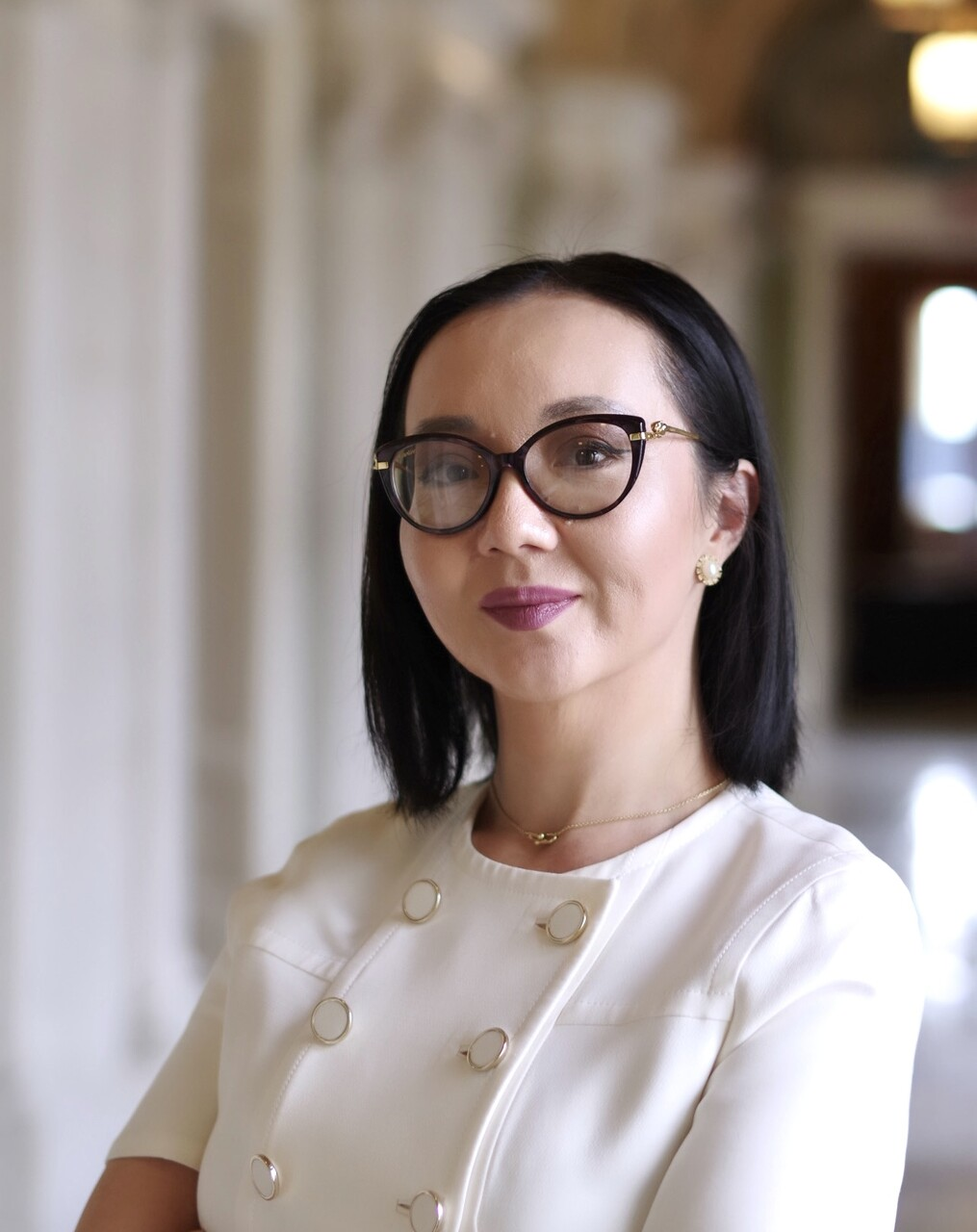
ELVIRA AIDARKHANOVA
Founder & CEOElvira Aidarkhanova is the Founder & CEO of MaruGlobal, a 501(c)(3) nonprofit organization advancing...
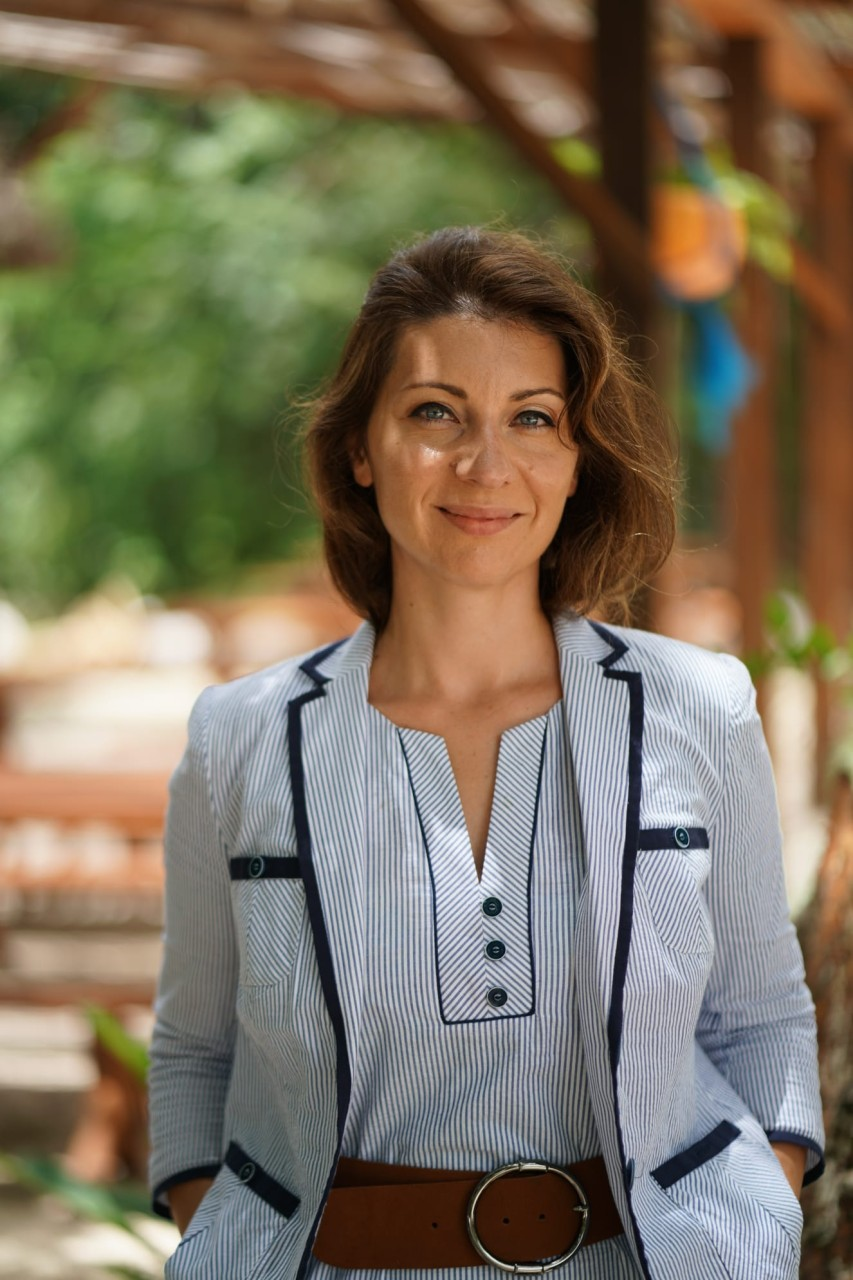
LAYLA ATYA
COO & Founding PartnerLayla Atya is a global leader in risk, resilience, and insurance system design, operating at the int...
Board Members

Dr. Richard H.L. Marshall
Chair of the Board & Senior Strategic AdvisorDr. Richard H.L. Marshall is a nationally recognized authority on cybersecurity, national security l...
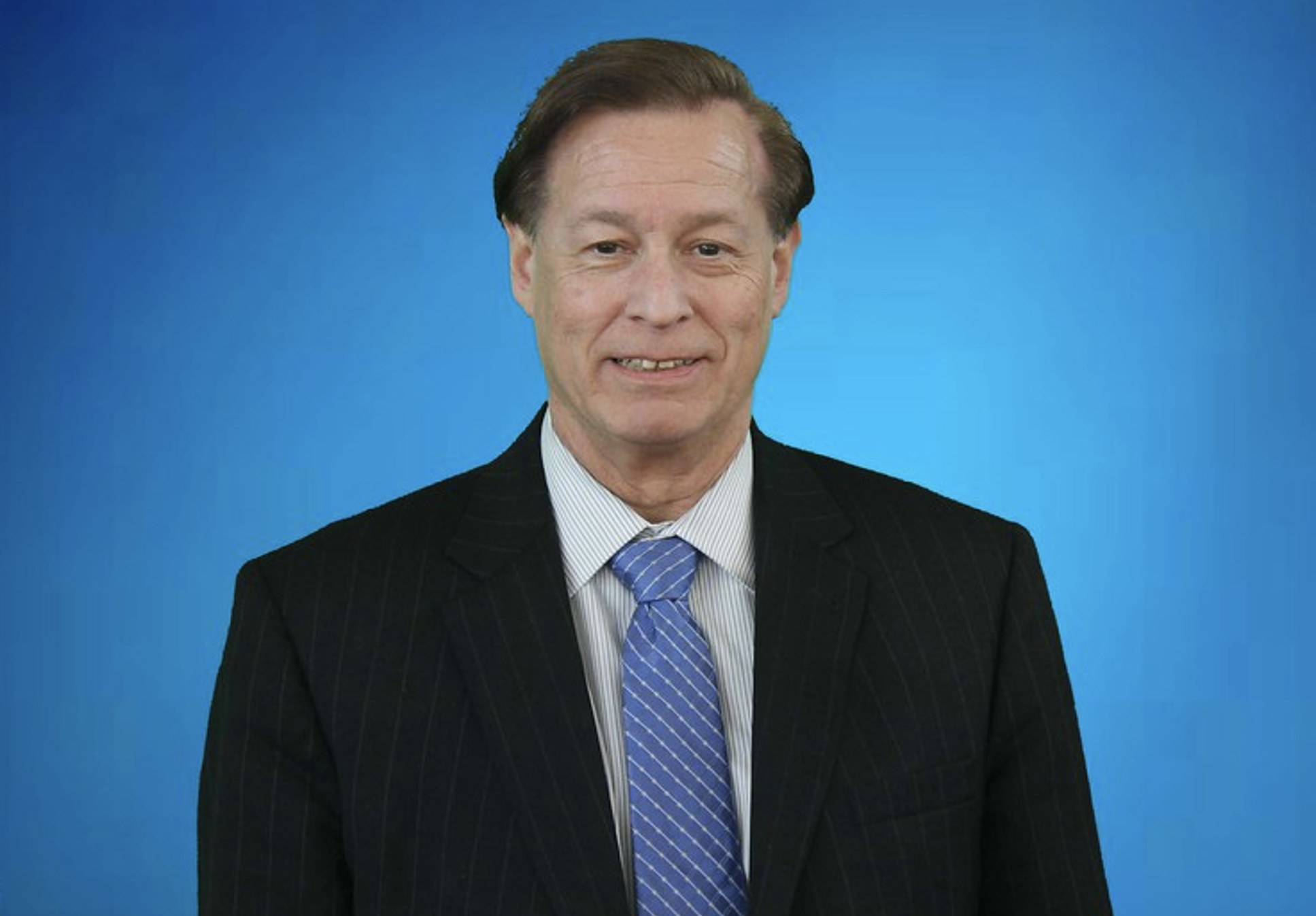
Charles F. Sills
Vice Chair of the Board & Senior AdvisorCharles F. Sills brings extensive experience in planning and directing international industrial, inf...
Partnership Opportunities


Everyone Can Help Someone
Uplifting 5 million women in Afghanistan through woman empowerment, business and skill training. Afghan women face significant challenges in accessing economic opportunities. However, the country holds a hidden engine of economic empowerment: the craftsmanship of Afghan women and their involvement in agriculture. By enabling international trade for their handmade products, a ripple effect strengthens families, communities, and the Afghan economy.

Income Generation
Sales to international consumers translate into income for Afghan women artisans and agricultural producers. This income allows women to make decisions for their families' well-being, supports job creation, and encourages skill development in marketing, legal, and education sectors. Increased demand fosters innovation and sustainable entrepreneurship.
Education
With more income, families are more likely to invest in their daughters' education, helping break the cycle of poverty and building a skilled workforce. About 5 million Afghan women are involved in the handmade industry. Empowering these women through trade instead of donations ensures sustainability. With strong infrastructure and global partnerships, the plan is to scale this impact further.
Volunteer. Fundraise. Campaign
Join us in making a difference in the lives of our community.